
Park Brokerage Services | Industry & Investment Update | April 2026
April 2026 RV Park & Campground Market Snapshot
April's outdoor hospitality news highlighted sustained camping participation, growing interest in upscale nature-based accommodations, and continued investment in manufactured housing communities. For independent park owners and institutional investors alike, the underlying message is clear: demand matters, but disciplined property-level underwriting remains essential.
1. Outdoor Hospitality Demand: Camping Remains a Major Travel Category
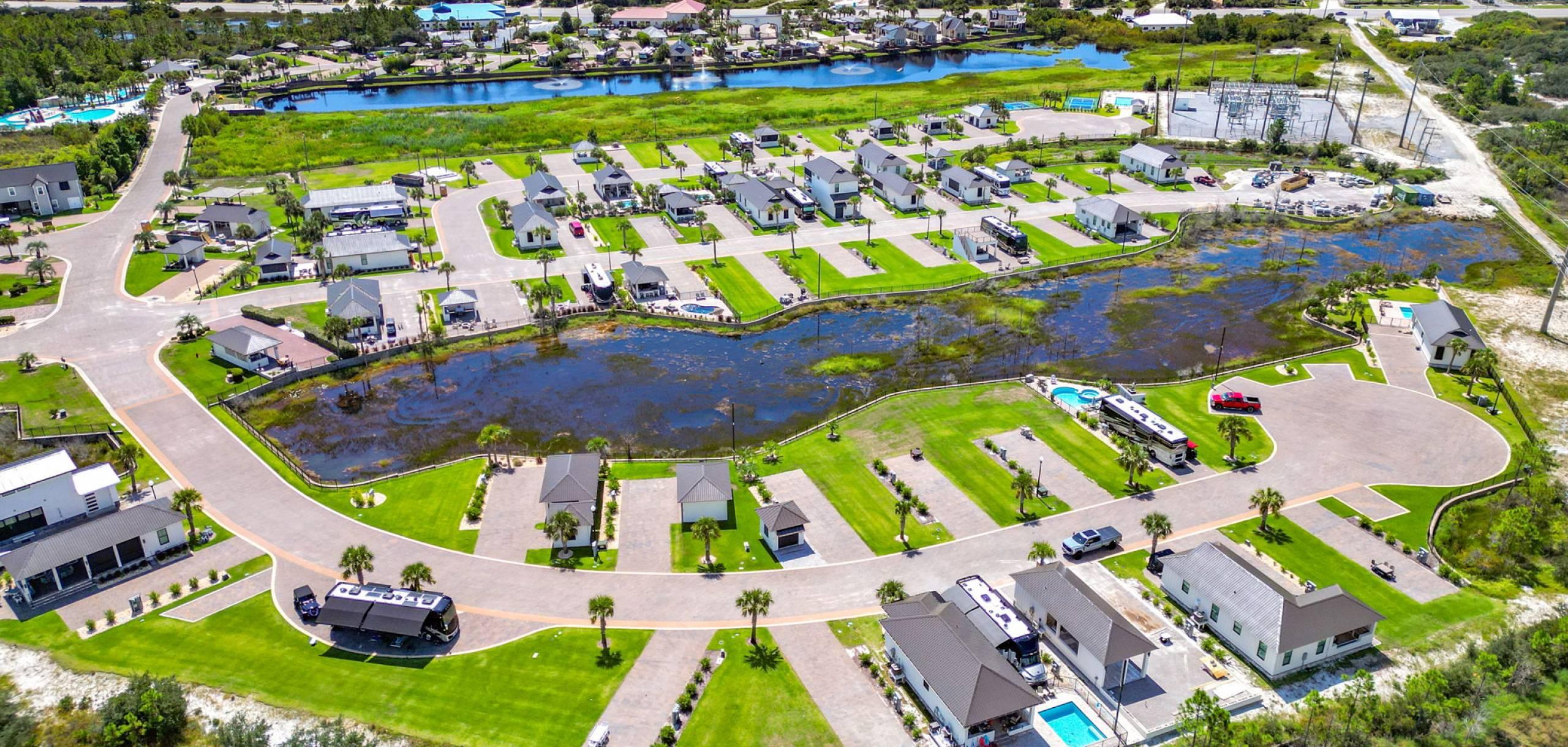
On April 14, Kampgrounds of America (KOA) released its 2026 Camping & Outdoor Hospitality Report. The report found that more than 52 million North American households camped during 2025, above pre-pandemic participation levels. KOA also estimated $66 billion in local community spending associated with outdoor hospitality, an increase of $5 billion from 2024.
KOA also reported that 29% of camping experiences in 2025 involved glamping and that 31% of first-time campers chose glamping accommodations. These findings suggest demand is broadening beyond traditional RV and tent camping, although national participation figures should not be confused with individual property occupancy or revenue growth. Source: KOA, April 14, 2026.
2. Investment Activity: Transactions Across Different Scales
April's reported activity illustrated the breadth of the investment market, from smaller community acquisitions to major institutional financing.
RHP Properties: $830 Million Manufactured Housing Portfolio Financing
On April 20, Newmark announced that it had arranged $830 million in financing on behalf of RHP Properties and an institutional capital partner for the acquisition and refinancing of a 36-property manufactured housing portfolio. The portfolio contained 8,340 pads, and Wells Fargo provided the financing. The $830 million figure represents financing, not a disclosed purchase price. Source: Newmark, April 20, 2026.
FG Communities: Two Asheville-Area Acquisitions
On April 2, FG Communities announced the acquisition of two manufactured housing communities in Asheville, North Carolina, totaling 45 homesites. The announcement reflects continued acquisition activity in smaller communities, alongside the larger portfolio transactions that often attract national headlines. Source: FG Communities, April 2, 2026.
3. Glamping: Traditional Hospitality Brands Expand Outdoors
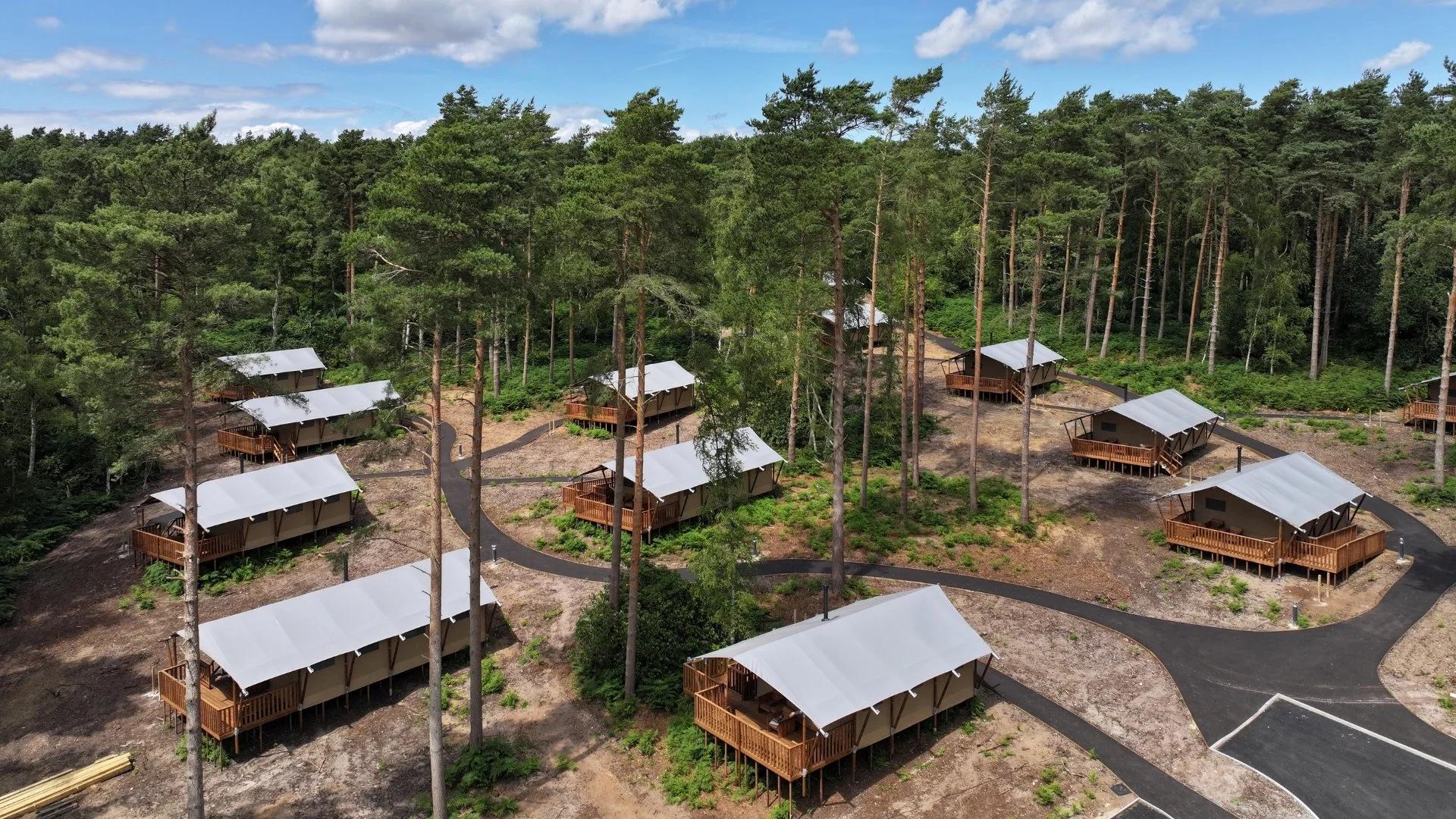
On April 14, WorldHotels, part of the BWH Hotels portfolio, announced WorldHotels Backdrop, a collection of upscale glamping retreats and outdoor-inspired accommodations. The initial concept includes properties such as Zion Wildflower near Zion National Park and other nature-oriented lodging experiences. Source: BWH Hotels, April 14, 2026.
For existing campground operators, premium cabins, glamping tents, and similar accommodations may create opportunities to diversify income. However, higher advertised nightly rates do not necessarily produce stronger net operating income after staffing, housekeeping, utilities, maintenance, and replacement reserves.
- Evaluate incremental development cost against realistic stabilized revenue.
- Review permitting, utility capacity, and seasonality before expansion.
- Measure accommodation-level operating margins, not just gross rental income.
4. Manufactured Housing: Recurring Income and Operational Discipline
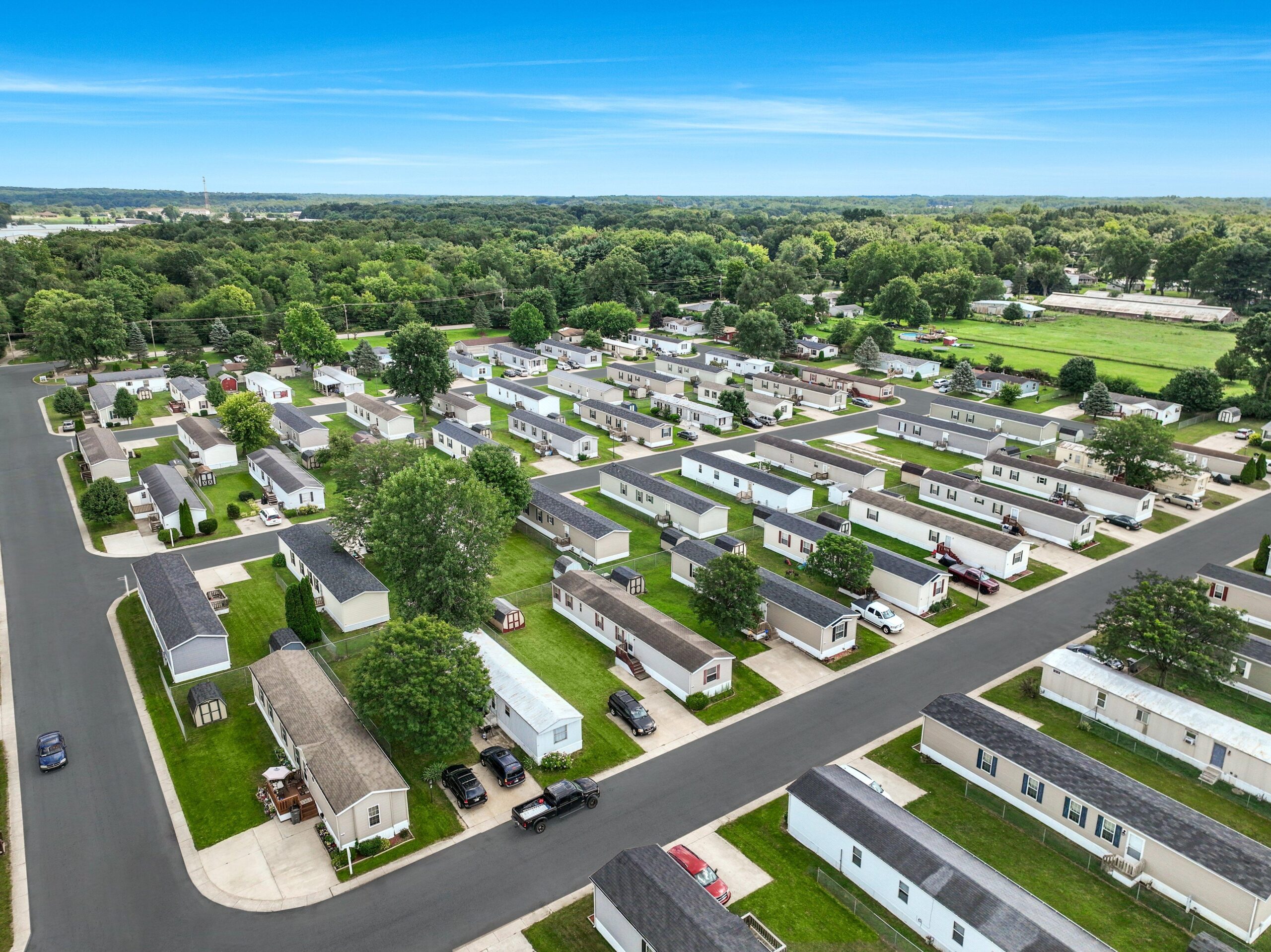
Capright's April 7 manufactured housing market update described continuing investor interest in the sector, supported by affordability demand, constrained new supply, and recurring rental income. Its analysis reported 91.0% average occupancy, 8.0% revenue growth, and 8.5% net operating income growth for public manufactured housing REITs. Those figures describe the REIT group analyzed and should not be applied to privately owned communities without separate underwriting. Source: Capright, April 7, 2026.
Unlike transient RV resorts, manufactured housing communities generally depend more heavily on longer-term residential occupancy and recurring lot rent. Investors should distinguish resident-owned homes from park-owned homes and carefully assess roads, water and wastewater systems, utility billing, community rules, and applicable regulation.
5. Operating Fundamentals: What Buyers Need to See
Whether an owner is considering a sale today or several years from now, consistent financial and operating records help buyers distinguish proven performance from projected upside. The most useful starting point is often a set of monthly profit-and-loss statements with revenue broken out by category, paired with monthly occupancy reports by site or accommodation type.
- Revenue: Separate transient RV, monthly or seasonal stays, cabins, glamping, storage, and ancillary income.
- Occupancy: Track utilization by site type and by month to identify seasonal patterns.
- Expenses: Maintain clear reporting for payroll, utilities, insurance, repairs, marketing, and property taxes.
- Capital expenditures: Document major improvements and distinguish recurring operating costs from one-time investments.
- Net operating income: Reconcile reported income and expenses so prospective buyers can evaluate sustainable cash flow.
6. PBS Investment Outlook: What This Means for Owners & Investors
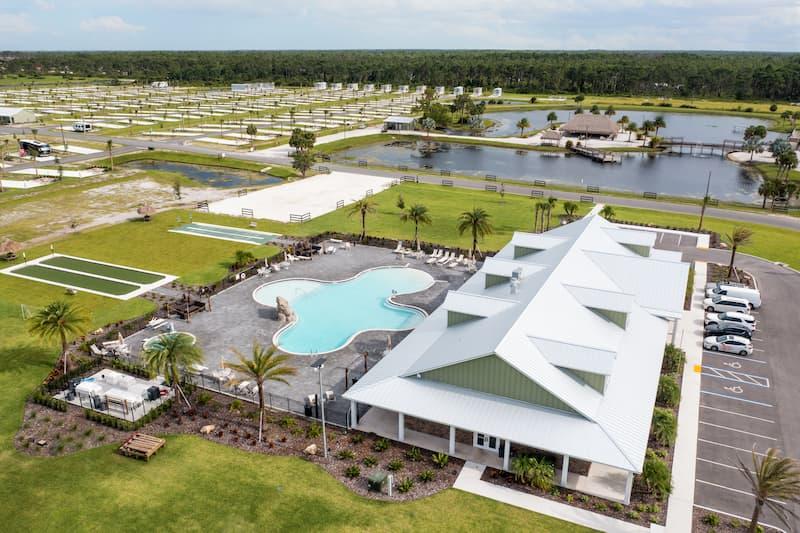
April's developments point to a broadening outdoor hospitality market, but investment performance remains property-specific. A well-located, independently owned RV park may appeal to a different buyer group than a destination glamping resort or a stabilized manufactured housing portfolio.
For independent owners
Focus on accurate monthly reporting, occupancy trends, site mix, and the condition of utilities and other infrastructure. These fundamentals can help establish realistic pricing expectations and make a property easier for buyers to evaluate.
For institutional and portfolio investors
Consider the scalability of operations, the quality and consistency of net operating income, capital expenditure exposure, regional demand, and the opportunity for disciplined value creation. Larger transactions illustrate available capital, but do not replace asset-level underwriting.
As the industry approaches the summer travel season, Park Brokerage Services will continue following acquisitions, operating trends, outdoor hospitality development, and investment conditions affecting RV parks, campgrounds, glamping resorts, and manufactured housing communities.
Considering Buying or Selling an RV Park or Campground?
Whether you own a single property or manage a portfolio of outdoor hospitality assets, Park Brokerage Services provides market insight, strategic guidance, and transaction expertise to help you evaluate your options.
Park Brokerage Services
Expert Guidance for RV Parks, Campgrounds & Outdoor Hospitality Assets.
Sources & Further Reading
- KOA — 2026 Camping & Outdoor Hospitality Report (April 14, 2026)
- Newmark — $830 Million Housing Portfolio Financing (April 20, 2026)
- FG Communities — Asheville Acquisitions (April 2, 2026)
- WorldHotels — Backdrop Launch (April 14, 2026)
- Capright — Manufactured Housing Market Update (April 7, 2026)
Market commentary is for general informational purposes only and does not constitute investment advice or a property-specific valuation. Figures attributed to third-party sources reflect their respective methodologies. Photographs are illustrative and do not depict the transactions discussed unless expressly identified.