
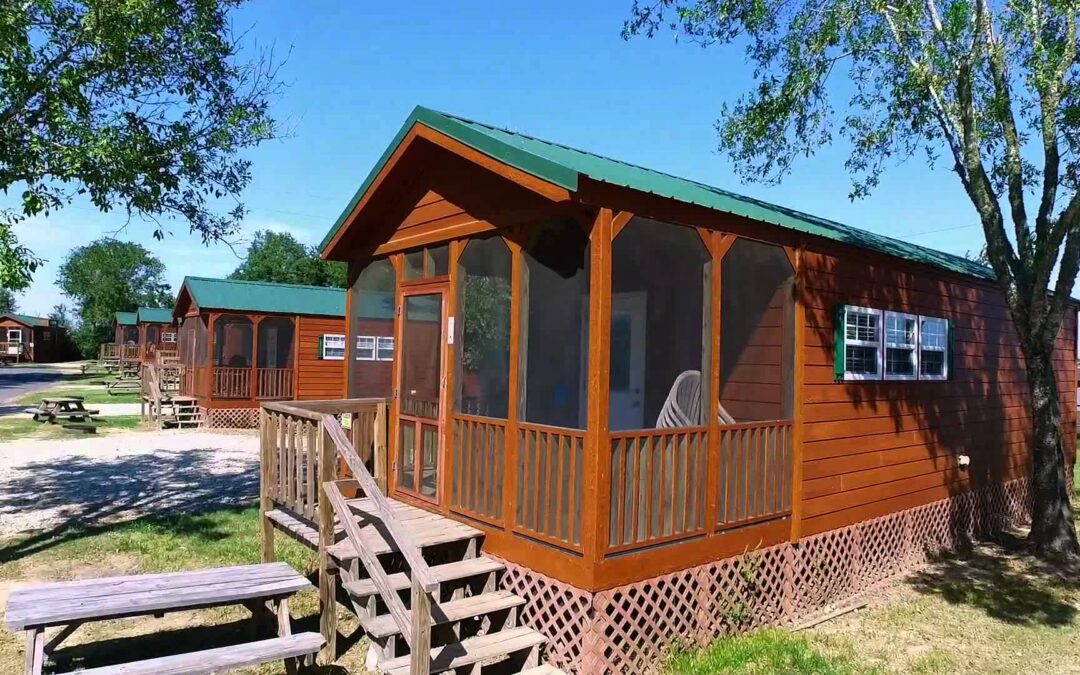
Manufactured Housing vs. RV Parks vs. Glamping: An Investor's Guide
Three distinct investment strategies with different revenue models, operating requirements, and risk-adjusted return profiles.
Manufactured housing communities, RV parks, and glamping properties are frequently grouped within alternative real estate and outdoor hospitality investments. However, their underlying economics can be significantly different.
Manufactured housing communities are generally associated with predictable recurring revenue and long-term tenant retention. RV parks offer varying combinations of stable income and operational value creation. Glamping properties rely more heavily on hospitality performance, guest experience, and nightly accommodation revenue.
For private equity groups, family offices, institutional investors, and individual owners, understanding these distinctions is essential to evaluating acquisition opportunities and long-term investment performance.
Recurring lot rents, sticky tenants, and long-term income predictability.
Flexible rental income, operational improvement, and potential NOI growth.
Experience-driven lodging, hospitality revenue, and differentiated accommodations.
Executive Investment Comparison
Although these properties may share similar land uses, the source and durability of their income streams can differ materially.
| Characteristic | Manufactured Housing | RV Parks | Glamping |
|---|---|---|---|
| Primary Revenue | Monthly lot rent | Nightly, weekly, seasonal, or monthly rent | Nightly lodging and experiences |
| Revenue Predictability | Generally high | Varies by guest mix | More demand-sensitive |
| Customer Retention | Sticky, long-term residents | Extended-stay to transient | Short-term guests |
| Operating Intensity | Low to moderate | Moderate to high | High |
| Capital Requirements | Utilities, roads, infrastructure | Sites, utilities, amenities | Units, furnishings, amenities |
| Investor Appeal | Predictable cash flow | Income and operating upside | Hospitality growth potential |
| Principal Risk | Infrastructure and regulation | Seasonality and operations | Occupancy, ADR, labor, replacement costs |
1. Manufactured Housing Communities: Predictable Revenue and Sticky Tenants
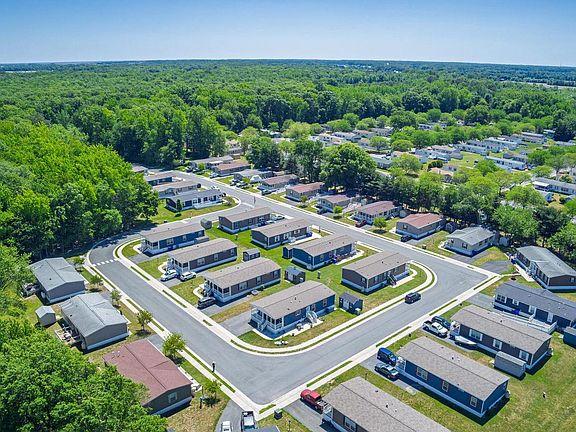
Manufactured housing communities are particularly attractive to institutional investors, private equity groups, and family offices seeking recurring income, durable occupancy, and long-term cash flow stability.
One of the sector's defining characteristics is its sticky tenant base. In communities where residents own their manufactured homes and lease the underlying land, relocating can be expensive and logistically challenging. As a result, residents often remain in place for extended periods, supporting predictable rental revenue and lower turnover.
From an investment perspective, manufactured housing shares certain characteristics with self-storage: recurring monthly rental income, relatively predictable operating expenses, and opportunities for incremental revenue growth. Manufactured housing often benefits from longer resident tenure, while self-storage typically offers greater pricing flexibility.
Why Institutional Investors Favor Manufactured Housing
- Recurring revenue: Monthly lot rents provide a relatively consistent income stream.
- Sticky tenancy: Resident-owned homes create meaningful barriers to relocation.
- Lower turnover: Long-term occupancy can reduce vacancy and leasing costs.
- Operating efficiency: Tenant-owned homes generally reduce home-level maintenance obligations.
- Portfolio scalability: Multiple communities can support centralized management and reporting.
- Potential NOI growth: Market-supported rents and expense management may improve income.
2026 Manufactured Housing Cap Rates
Northmarq reported a national average near 6.5%, with meaningful variation by market, location, property quality, and operating risk.
Source: Northmarq Q2 2026 Research →Operating Requirements and Underwriting
Key management responsibilities include rent collection, resident relations, infrastructure maintenance, utility administration, and regulatory compliance.
Investors should closely evaluate privately operated water and wastewater systems, deferred infrastructure maintenance, occupancy, and the proportion of tenant-owned versus park-owned homes. Park-owned homes may introduce substantially greater maintenance and turnover exposure.
For institutional investors, the attraction is not simply the land. It is an established stream of recurring revenue supported by long-term resident retention and operating consistency.
2. RV Parks: Flexible Income and Operational Value Creation
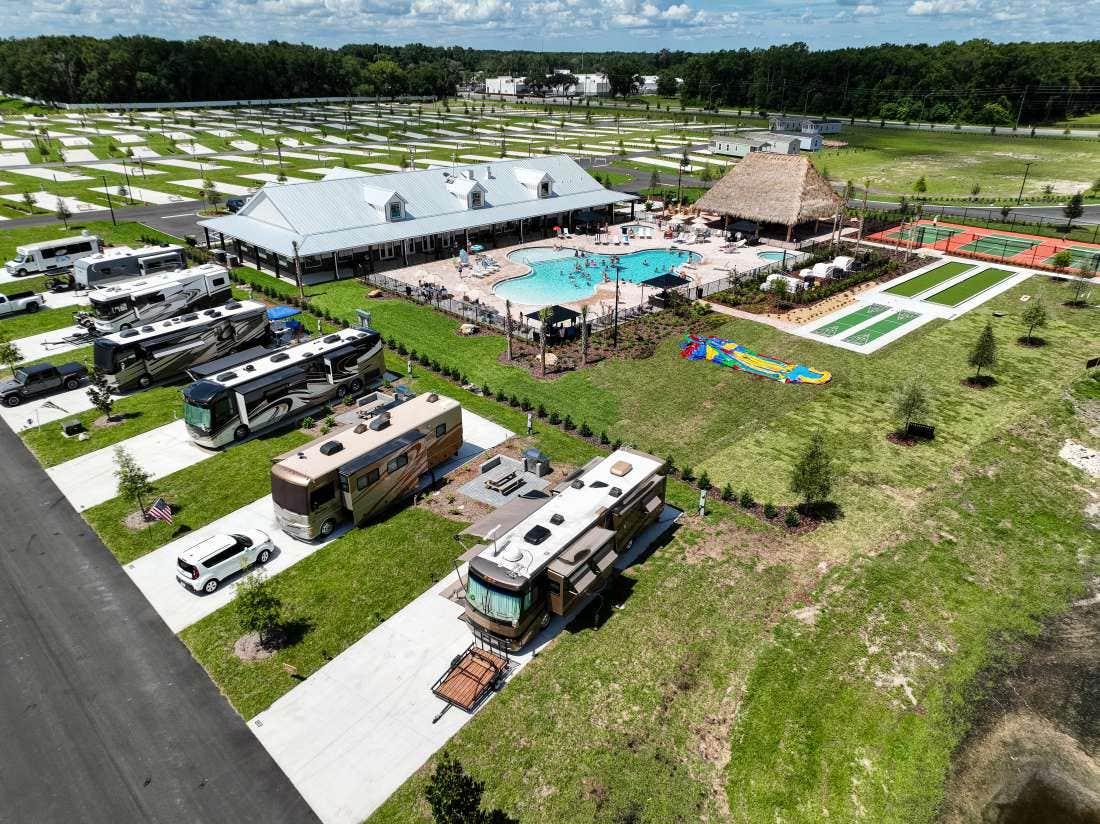
RV parks occupy a position between recurring-income real estate and operating hospitality businesses. The investment profile depends heavily on the property's guest mix, location, amenities, and management requirements.
Three Distinct RV Park Operating Models
Monthly guests and workforce demand can support recurring income and lower turnover.
Nightly reservations, guest services, and seasonal pricing create hospitality-driven income.
Destination demand can concentrate revenue within peak travel periods.
2026 RV Park Cap Rates
RV park pricing varies considerably by asset quality, market position, operating history, and revenue composition. A 2026 Yale Realty & Capital Advisors report examines transaction activity from 2018 through the first quarter of 2026, including capitalization rates and asset-quality valuation differences.
For preliminary underwriting, investors may test cap-rate sensitivities in the high-single-digit range for stabilized properties, with tighter or wider yields depending on the property's individual characteristics. These are analytical assumptions, not a universal market benchmark.
Review Yale Realty's 2026 RV Park Pricing Trends →
Operating Requirements
- Reservation systems and guest communications
- Dynamic pricing and revenue management
- Site maintenance, utilities, and groundskeeping
- Marketing and online distribution
- Staffing, housekeeping, and amenity operations where applicable
- Capital planning for electrical systems, roads, and site improvements
Extended-stay properties may behave more like recurring-income investments, while destination resorts often require management systems comparable to traditional hospitality properties.
What Investors Look For
Buyers typically focus on sustainable net operating income, occupancy by guest type, average daily rates where applicable, utility condition, and opportunities for operational improvement.
Common value-add strategies include improving reservation technology, adjusting rates to market, reducing utility losses, upgrading sites, and adding revenue-producing amenities. Each opportunity must be evaluated against required capital expenditures.
KOA's 2026 Camping & Outdoor Hospitality Report highlights continued participation in camping and outdoor recreation above pre-pandemic levels.
Source: KOA 2026 Industry Research →3. Glamping: Experience-Driven Hospitality Investment

Glamping properties typically combine distinctive accommodations with nature-based experiences. Units may include cabins, safari tents, domes, yurts, or other specialized lodging structures.
Unlike manufactured housing communities, glamping operators generally control and maintain the accommodation units. Revenue depends on nightly pricing, occupancy, guest satisfaction, distribution channels, and the property's appeal as a destination.
Operating Requirements
- Hospitality management and reservation systems
- Housekeeping, guest services, and maintenance
- Digital marketing and distribution platform costs
- Furniture, fixtures, equipment, and accommodation replacement reserves
- Seasonal pricing and occupancy management
- Food, beverage, recreation, and amenity operations where offered
Glamping Valuation and Capitalization Rates
Glamping is less standardized than manufactured housing and conventional RV parks. Comparable sales may be limited, and differences in unit type, brand, operating history, and property rights can materially affect valuation.
Investors may evaluate stabilized real estate NOI, hospitality EBITDA, discounted cash flow, replacement cost, and comparable lodging transactions. A universal glamping capitalization rate is not sufficiently reliable for property-specific underwriting.
The surveyed operator average illustrates glamping's hospitality pricing potential, but it should not be treated as a forecast for an individual property.
Source: Glamping Industry Report →What Institutional Investors Look For
Professional investors typically evaluate sustained occupancy, achievable ADR, operating margins, brand differentiation, management quality, accommodation replacement costs, and the ability to replicate the business model across multiple properties.
Glamping can provide attractive growth opportunities, but its greater operating intensity requires a different investment and management strategy from recurring lot-rental income.
How Cap Rates Influence Investment Value
Capitalization rates provide a useful framework for comparing income-producing properties. The basic relationship is property value equals normalized net operating income divided by the capitalization rate.
Consider three hypothetical assets, each producing $500,000 in stabilized annual NOI:
Illustrative valuation sensitivity only. The cap rates above are not assigned market benchmarks for the three asset classes.
A lower cap rate produces a higher implied value for the same NOI. However, the appropriate cap rate depends on income durability, location, property condition, management intensity, capital requirements, and investor demand.
For glamping, the operating business and underlying real estate may require separate analysis. A simple cap-rate calculation may not capture all sources of value or risk.
How Different Investors Evaluate These Asset Classes
| Investor Profile | Typical Focus | Primary Consideration |
|---|---|---|
| Institutional Funds | Stabilized MH communities and scaled RV portfolios | Predictable income, scale, reporting, liquidity |
| Family Offices | MH, RV parks, selective glamping | Long-term ownership and diversification |
| Private Equity | Portfolio aggregation and value-add assets | NOI growth, operational improvement, exit strategy |
| Owner-Operators | Smaller RV parks and glamping properties | Hands-on operations and cash flow |
| Developers | New communities, resorts, and hospitality projects | Development costs, approvals, stabilization |
Financing Considerations
Stabilized manufactured housing communities may qualify for conventional commercial or eligible agency financing. RV parks often depend on specialized commercial lenders and demonstrated operating performance. Glamping financing may require hospitality-oriented underwriting, higher equity contributions, or specialized lending structures.
Across all three sectors, investors should examine debt-service coverage, loan terms, replacement reserves, and sensitivity to higher interest rates.
2026 Investment Trends and Market Positioning
Institutional demand continues to favor recurring lot-rental income, tenant retention, and established communities with reliable infrastructure.
Buyers are increasingly focused on revenue quality, operating history, guest mix, and realistic acquisition pricing.
Hospitality execution, differentiated accommodations, and disciplined development costs are becoming increasingly important.
Risks Investors Should Not Overlook
- Utilities: Private water and wastewater systems can create significant capital exposure.
- Insurance and taxes: Rising costs can affect sustainable NOI.
- Regulation: Zoning, licensing, land-use restrictions, and resident protections vary by jurisdiction.
- Capital reserves: Roads, electrical systems, accommodations, and amenities require ongoing investment.
- Management: Owner-operated properties may require normalization for professional management expenses.
- Exit liquidity: Buyer demand can vary by asset size, quality, and operating complexity.
- Ownership structure: Leasehold rights, concessions, and ground leases require additional legal and financial review.
Investment Perspective: Which Asset Class Is Most Attractive?
There is no single answer. Each investment strategy offers a different balance of income predictability, operating complexity, capital requirements, and growth potential.
Manufactured housing may appeal most to investors prioritizing predictable recurring revenue and long-term tenant retention. RV parks can offer a combination of current income and operational upside. Glamping may appeal to investors seeking hospitality-driven growth and differentiated experiences.
For institutional investors, family offices, and private equity groups, disciplined underwriting and a clear understanding of the operating business remain essential across all three sectors.
Frequently Asked Questions
Are manufactured housing communities safer investments than RV parks?
Manufactured housing communities often offer more predictable recurring revenue, particularly when residents own their homes. However, infrastructure, occupancy, regulations, and acquisition pricing can materially affect investment risk.
Why do institutional investors like manufactured housing communities?
Institutional investors often favor recurring lot-rental income, sticky tenants, relatively low turnover, and the ability to manage larger portfolios efficiently.
Do RV parks typically trade at higher cap rates than manufactured housing communities?
Many RV parks command higher cap rates because of seasonal demand and operating exposure. However, premium resorts can trade at tighter yields, while higher-risk manufactured housing communities may trade at wider yields.
How are glamping properties valued?
Glamping properties may be valued using stabilized NOI, hospitality EBITDA, discounted cash flow, comparable transactions, and replacement cost. Real estate and business value may require separate analysis.
Which property type requires the least day-to-day management?
A stabilized manufactured housing community with predominantly tenant-owned homes generally requires less daily guest management than a transient RV resort or glamping property, although infrastructure and resident management remain important.
What is the most important financial metric for RV park acquisitions?
Normalized net operating income is central to valuation, but investors should also examine occupancy, guest mix, nightly rates, infrastructure condition, operating expenses, and capital expenditures.
Can an RV park add glamping accommodations?
Potentially, subject to zoning, permits, utility capacity, demand, and construction feasibility. Investors should underwrite incremental revenue against development and operating costs.
About Park Brokerage Services
Park Brokerage Services provides specialized brokerage and advisory services for manufactured housing communities, RV parks, campgrounds, glamping properties, and outdoor hospitality assets.
Our approach emphasizes operating fundamentals, investment positioning, and the considerations that influence acquisition and disposition decisions.
Expert Guidance for RV Parks, Campgrounds & Outdoor Hospitality Assets.
Research and market information reflect sources available as of October 2026. Capitalization rates and financial illustrations are not property-specific appraisals, offers, or guarantees. Investors should consult qualified legal, financial, and tax professionals.