
Park Brokerage Services | Industry & Investment Update
May 2026 RV Park & Campground Market Snapshot
May 2026 brought continued transaction activity, resort reinvestment and renewed attention to campground demand as the outdoor hospitality industry entered its peak summer operating season.
This month's market snapshot reviews reported RV park transactions, manufactured housing financing, public-company operating performance, campground amenities and RV industry indicators—with implications for both independent owners and institutional investors.
Executive Market Overview
May highlighted the range of opportunities across RV parks, campgrounds and manufactured housing communities. Reported transactions included a smaller transient RV park in North Carolina and a substantially larger Texas property with development potential. Meanwhile, lenders continued to finance manufactured housing assets and campground operators prepared for the summer travel season.
- Acquisition activity: Buyers pursued both existing operating businesses and properties with future expansion potential.
- Resort reinvestment: Family-oriented campground operators continued adding attractions and amenities.
- Investment fundamentals: Current operating income, infrastructure, occupancy and capital expenditure requirements remained central to valuations.
1. RV Park Acquisition Activity
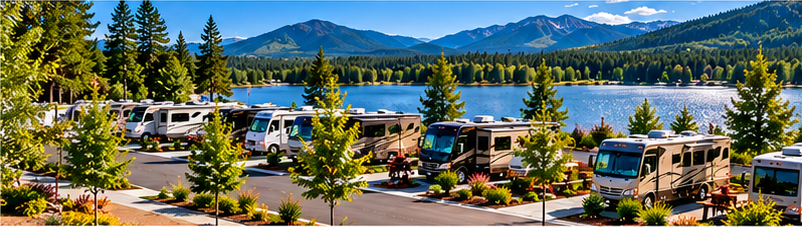
RiverWalk RV Park — Jonesville, North Carolina
NAI Outdoor Hospitality Brokers reported closing the sale of RiverWalk RV Park on the Yadkin River in May 2026. The property includes approximately 51 RV sites on 9.95 acres and serves transient visitors to the Yadkin Valley.
The transaction highlights the continued role of smaller destination-oriented RV parks in the broader investment market.
Hidden Valley RV & Manufactured Housing Development — San Antonio, Texas
NAI also reported the closing of a 238-acre development property in the San Antonio market. The offering included an existing 82-site RV park, a 150-space shovel-ready expansion and an entitled future expansion area for approximately 350 manufactured housing or RV spaces.
The opportunity illustrates how investors may evaluate an existing operating asset alongside the potential value of additional entitled sites. Source: NAI Outdoor Hospitality Brokers.
PBS Investment Perspective: These transactions reflect two different acquisition strategies: purchasing an established transient park versus acquiring an operating property with significant development potential. Buyers should underwrite current income separately from proposed expansion, accounting for construction costs, approvals, absorption and stabilization risk.
2. Manufactured Housing Financing & Institutional Performance
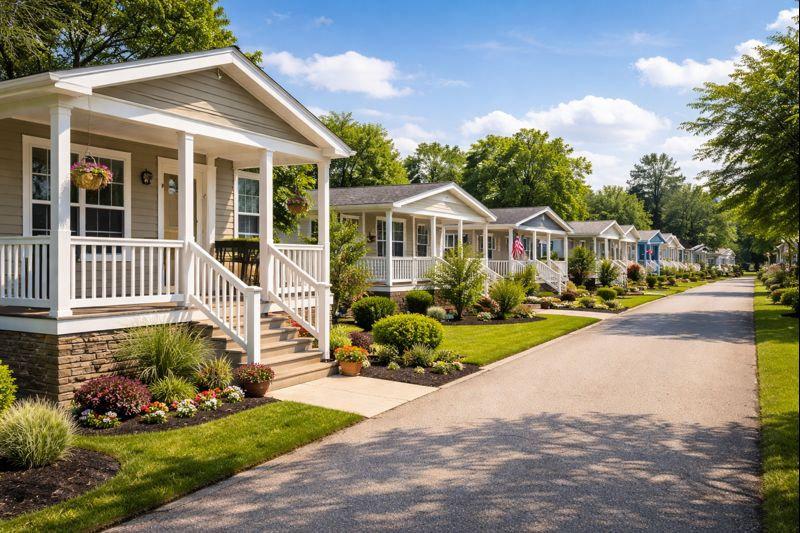
May financing activity included a reported $6.625 million cash-out refinance for a manufactured housing community in Georgia, arranged by The Madison Group. Reported terms included a 75% loan-to-value ratio and an initial three-year interest-only period with extension options. These terms were specific to the transaction and should not be considered representative of financing available to all borrowers. Source: The Madison Group.
Institutional Operating Results
Sun Communities' first-quarter 2026 results, released in late April, provided additional context entering May:
These figures describe the company's defined portfolio and are not industry-wide averages. Source: Sun Communities, Q1 2026 results.
PBS Investment Perspective: Institutional investors often prioritize recurring site revenue, predictable cash flow and operating scalability. Independent owners can strengthen their property's marketability by applying the same financial discipline—accurate statements, reliable occupancy records and a documented history of capital improvements.
3. Campground Expansion & Resort Amenities
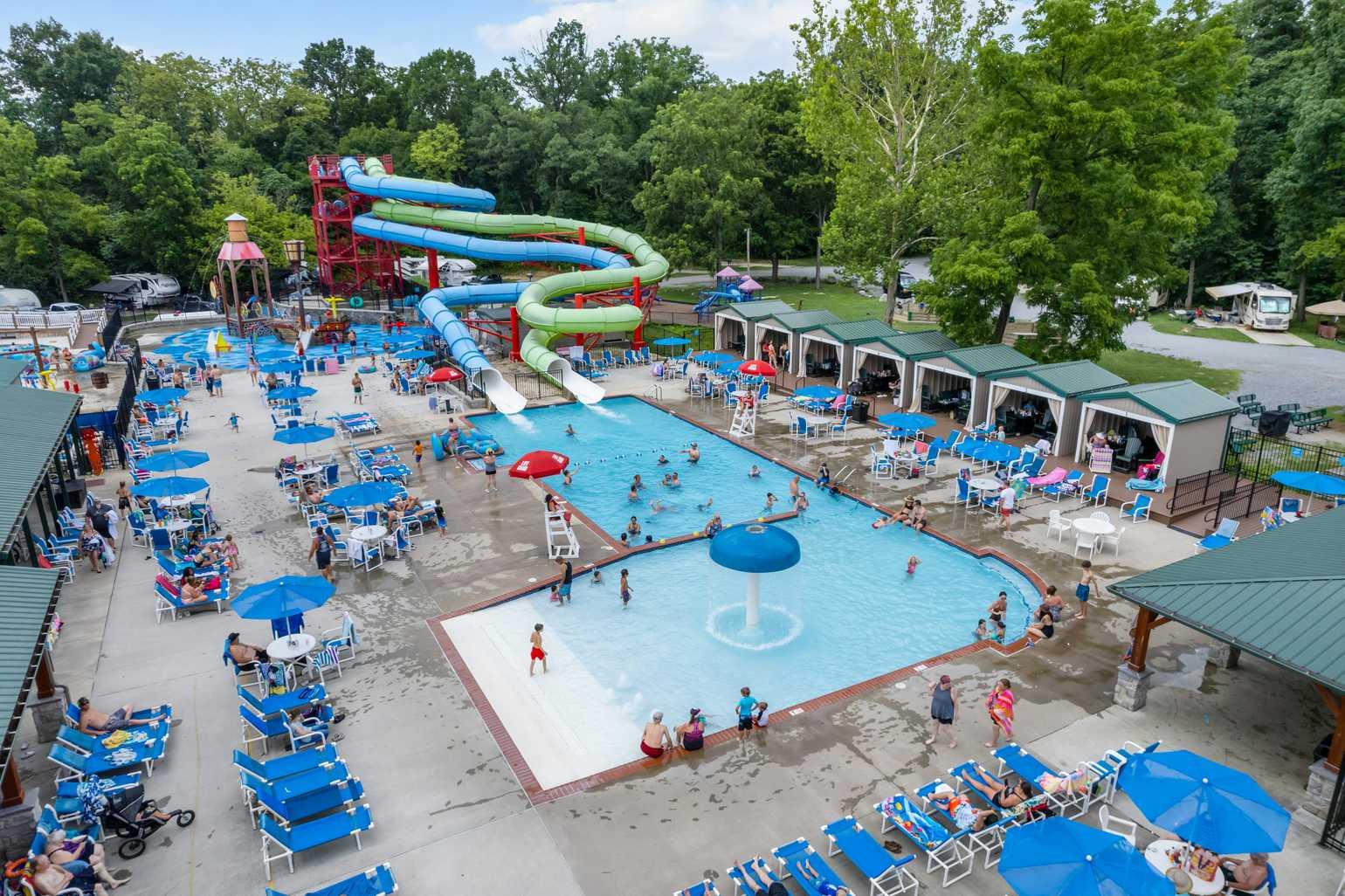
On May 20, Jellystone Park West Georgia announced a grand-opening celebration for its expanded resort in Bremen, Georgia, scheduled for May 29. The expansion included waterslides, a splash pad, swimming areas, family activities and additional retail and food-service offerings.
The project reflects a hospitality-oriented strategy in which some campground operators invest in attractions designed to improve guest experiences and potentially support longer stays and additional spending.
Evaluating Amenity Investments
For property owners considering similar improvements, the central question is whether incremental revenue justifies construction costs and ongoing expenses. Relevant considerations include staffing, utilities, insurance, maintenance, seasonal demand and the property's competitive positioning.
PBS Investment Perspective: New amenities may improve a park's appeal, but they do not automatically increase value by the amount invested. Buyers and owners should distinguish proven incremental earnings from projected upside and assess whether the market supports higher rates or occupancy.
4. Outdoor Hospitality Demand & Guest Preferences

At a national executive forum on May 7, Kampgrounds of America (KOA) emphasized the relationship between outdoor recreation, wellness and access to nature. The presentation drew on research exploring how campers value outdoor experiences and connections to natural environments.
KOA's April 2026 research also reported that 77% of campers felt simply spending time in nature was sufficient without structured activities or additional amenities. Source: KOA.
Implications for Park Owners
These findings suggest that not every property needs a major amenity expansion to compete. For some locations, natural scenery, privacy, convenient access to attractions, clean facilities and dependable service may be more important than expensive recreation infrastructure.
PBS Investment Perspective: Capital improvements should be matched to guest demographics and local demand. An owner may create greater long-term value through upgraded utilities, better accommodations or improved site layouts than through amenities that do not meaningfully improve earnings.
5. RV Industry Indicators: A Mixed Picture
The RV Industry Association reported 29,209 wholesale RV shipments in April 2026, down 17.4% from April 2025. The results were released May 22. Motorhome shipments increased 13.0% year over year, while towable RV shipments declined 20.7%. Source: RV Industry Association.
Wholesale shipments are a useful measure of RV manufacturing activity, but they are not a direct indicator of campground occupancy, site revenue or individual property performance.
PBS Investment Perspective: Investors should avoid translating changes in RV shipments directly into park revenue assumptions. Property-specific reservation history, site mix, length of stay, occupancy, average daily rate and net operating income remain more meaningful underwriting inputs.
6. What This Means for Owners & Investors
For Independent Park Owners
Owners considering a sale or expansion should maintain clear historical financial statements, monthly occupancy reports, revenue broken down by accommodation type and records of major capital improvements. Accurate reporting helps qualified buyers understand performance and can support a more defensible valuation.
For Institutional & Portfolio Investors
Acquisition opportunities range from stabilized operating properties to larger sites with expansion potential. Investors should distinguish existing cash flow from future development assumptions and evaluate infrastructure, operating efficiency, management requirements, financing constraints and realistic stabilization timelines.
7. PBS Investment Outlook
As the industry entered the summer season, May's reported activity reinforced three themes: disciplined underwriting, the importance of reliable operating information and the distinction between proven income and projected upside.
Whether evaluating a family-owned campground, a transient RV park or a larger outdoor hospitality portfolio, the investment thesis should begin with a clear understanding of both the underlying real estate and the operating business.
Considering Buying or Selling an RV Park or Campground?
Park Brokerage Services works with independent owners, private investors, operators and institutional groups evaluating acquisitions and dispositions across RV parks, campgrounds and outdoor hospitality properties.
We welcome confidential conversations about property valuations, disposition strategies and acquisition objectives.
Expert Guidance for RV Parks, Campgrounds & Outdoor Hospitality Assets.
Research and reporting: NAI Outdoor Hospitality Brokers; The Madison Group; Sun Communities; KOA; and RV Industry Association.
This publication is for general market information. Reported transaction details and third-party statistics are not necessarily representative of broader market conditions. PBS Investment Perspective sections reflect qualitative market commentary, not a property-specific valuation.